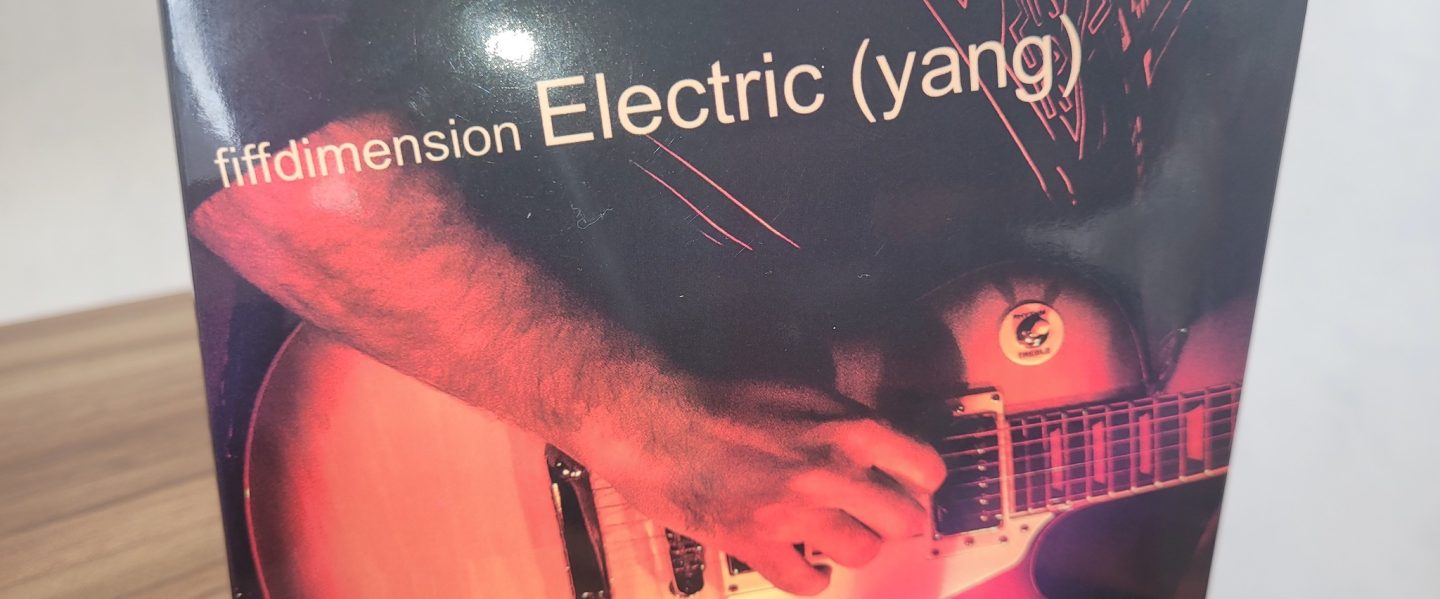
Our main news of 2017 was The Electricka Zoo‘s debut album. music.net.nz called it “a totally original, mind-warping album”.
It’s not too late for your best-album-of-2017 lists, so get your copy today (just click the ‘buy’ button above… yes we’re still more interested in ‘the album’, as a unified artform, with a theme and structure, rather than streaming playlists).
Meanwhile this year we made some progress on social media, reaching the modest milestones of 200 likes for fiffdimension and 100 likes for the Electricka Zoo on Facebook.
Ngumbang is the first collaborative album by two of New Zealand’s more unusual artist/musician/filmmaker/ethnomusicologists.
Performed on guitars, bass, banjo, percussion, saxophones, clarinets, harmonicas, synthesisers, Okinawan sanshin, ukulele, violin, loop pedal, piano, drums and spoken word.
The title ‘Ngumbang’ is an Indonesian word that refers to the slight difference in tuning between a pair of gamelan instruments, which gives gamelan music its shimmering quality.
The album name reflects a shared interest in ethnomusicology and experimentation, and the almost-but-not-quite-equivalent approaches of these two artists.
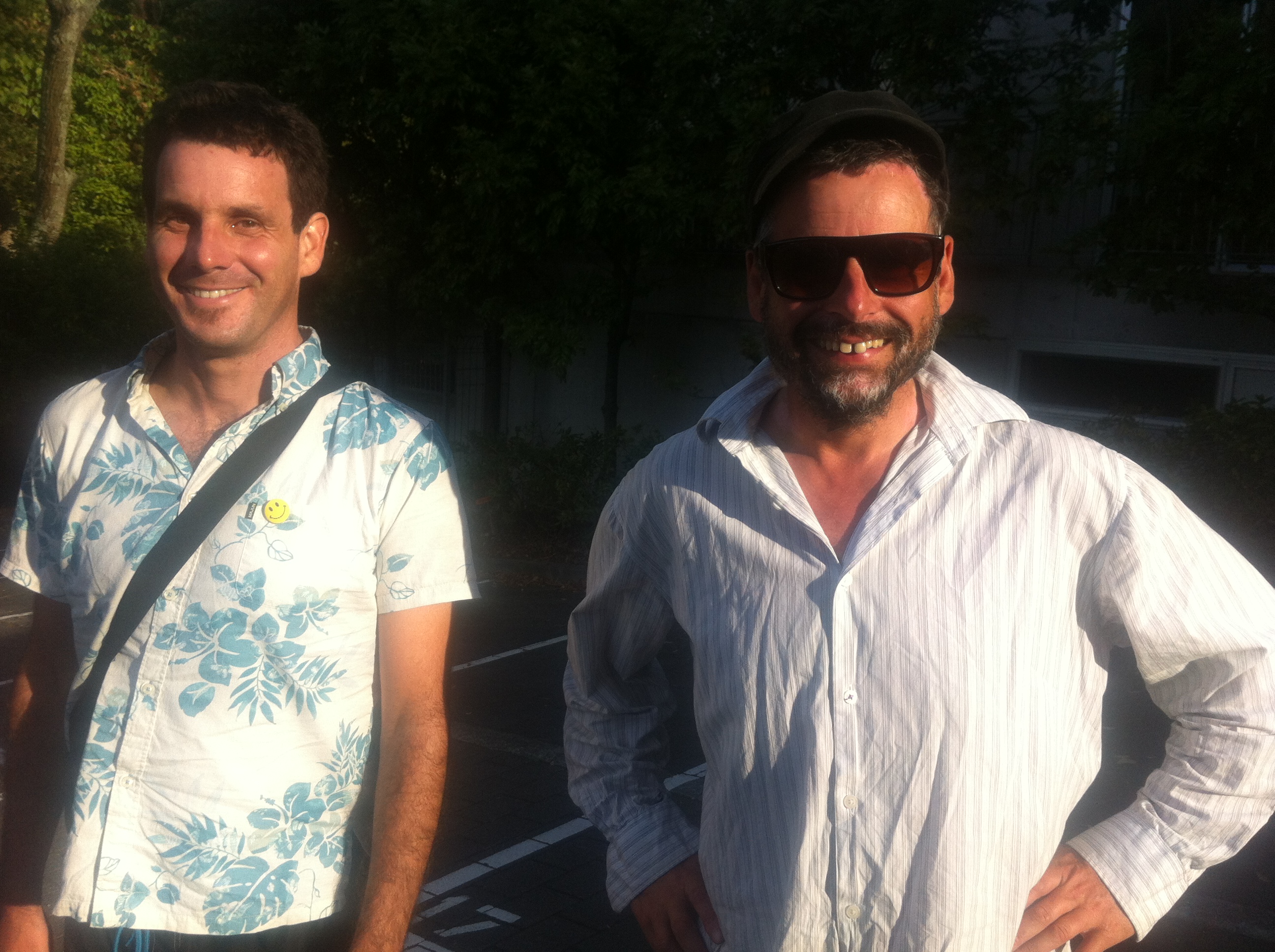
Dave Black & Snake Beings
The album was recorded in and near Auckland, New Zealand in 2014–2015 and includes live performances at Vitamin S and the Audio Foundation.
who over several decades has travelled intensively in Spain, Holland, the Middle East, Mexico, America and Japan, is a New Zealand / British experimental filmmaker and musician who has produced over 40 independently released film soundtrack CDs and made a number of short experimental and narrative films in Spain, U.K. and New Zealand. www.snakebeings.co.nz
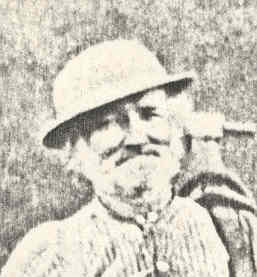
1861 revisited – my pākeha (European) ancestors, John ‘Totara Jack’ and Mary Edwards, arrived in the South Island of New Zealand on board the Olympusand settled in Nelson1.
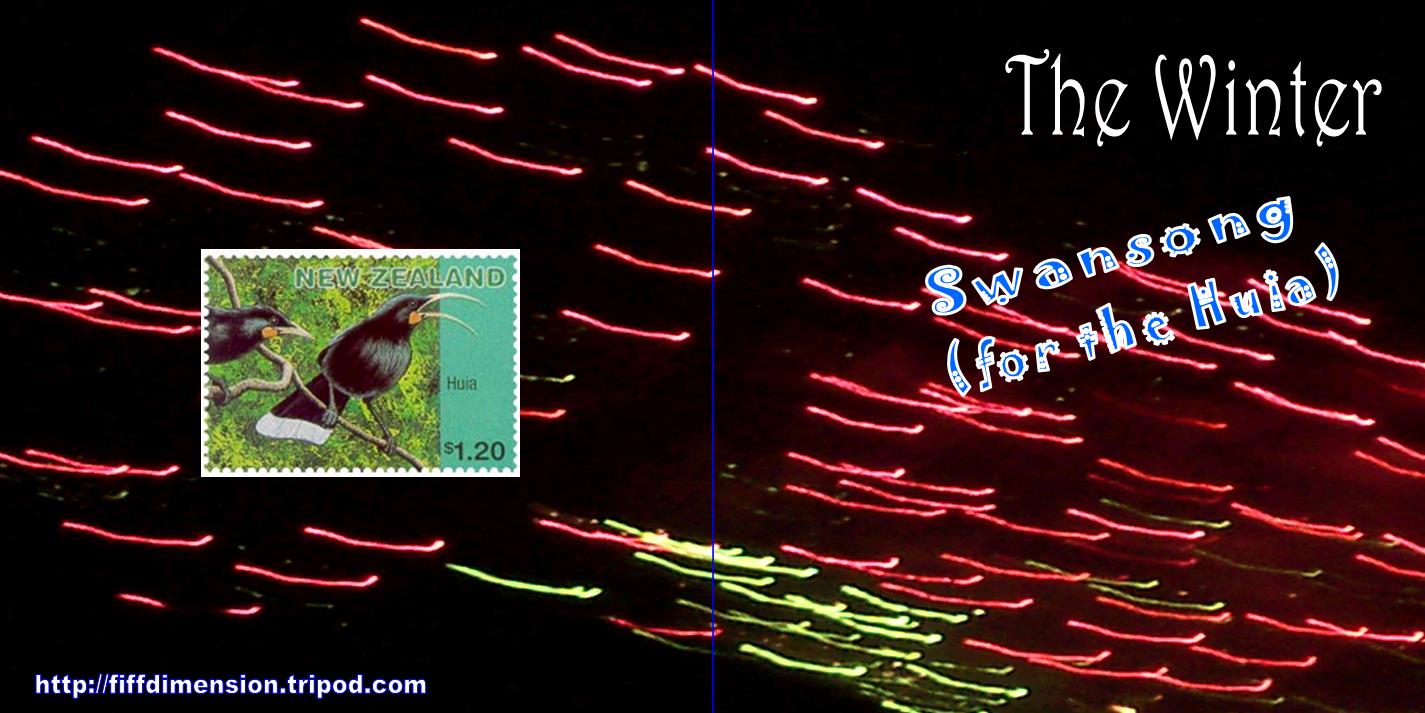
and recorded the sound of tui and makomako (native birds) in Nelson Lakes National Park.
The early settler stories marked the start of an interest in genealogy, and prompted the music video for The Ballad of William Knife3 (loosely based on ‘Totara Jack’).
In contrast to the ‘traditional’ South Island NZ ‘Flying Nun‘ or The Dead C inspired sounds, South Island Sessions blended acoustic instruments with field recordings and electronic glitches. I played acoustic guitar, banjo and saxophone, and delegated the electric guitar role to two local players. We named this new genre “Steampunk Folktronica“4.
Credits
Dave Black – acoustic guitar (2,6), banjo (3,4,6), drums (4), harmonica (2), laptop, field recordings, tenor saxophone (6,7), and vocals