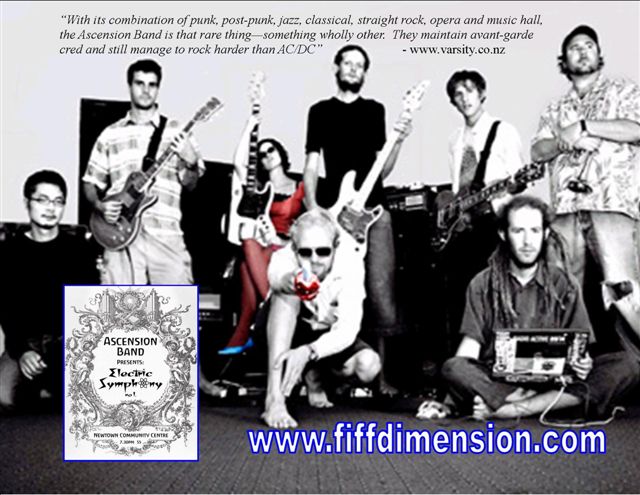
Mid-2000s Wellington NZ electric postpunk big-band:
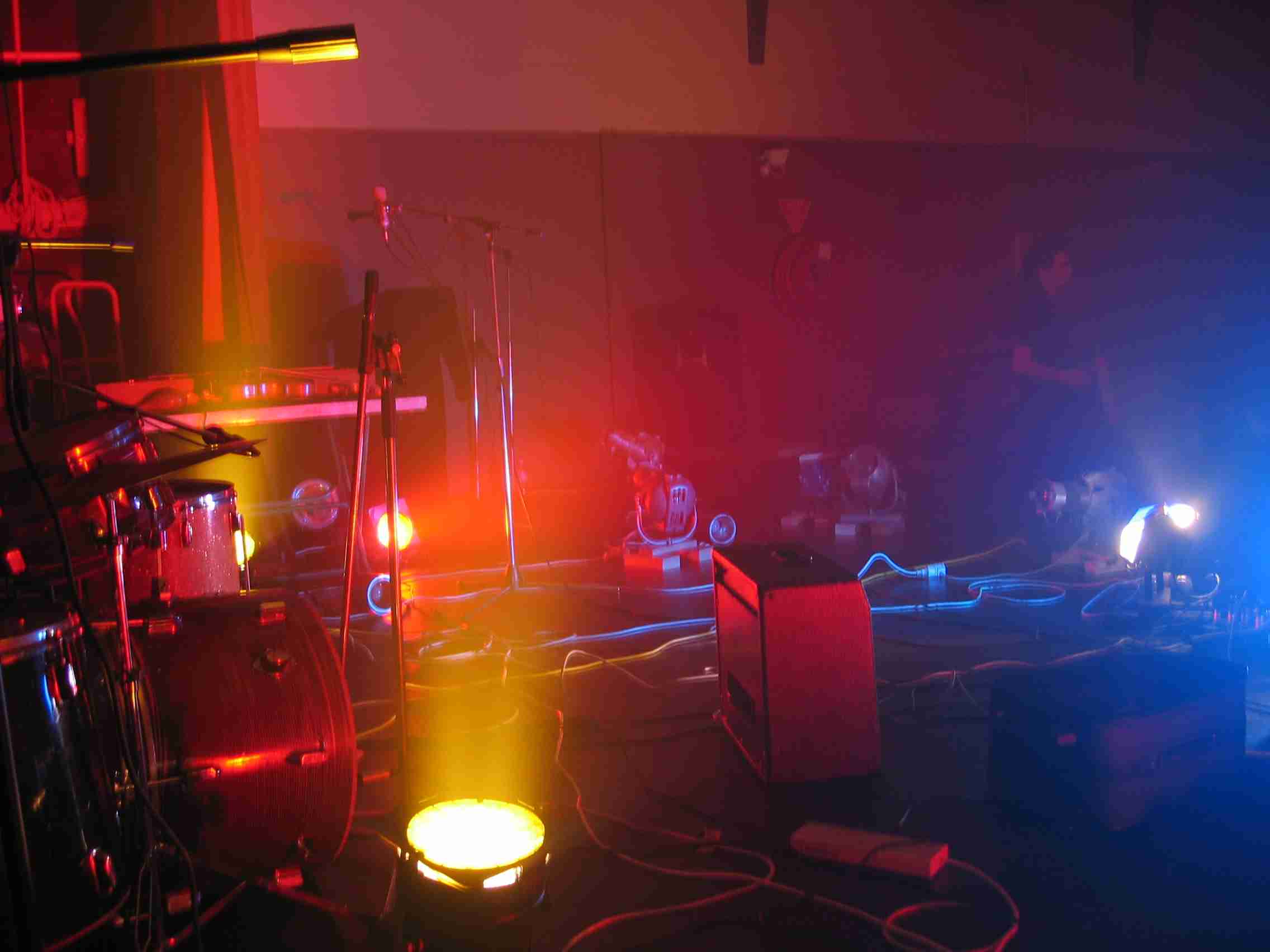
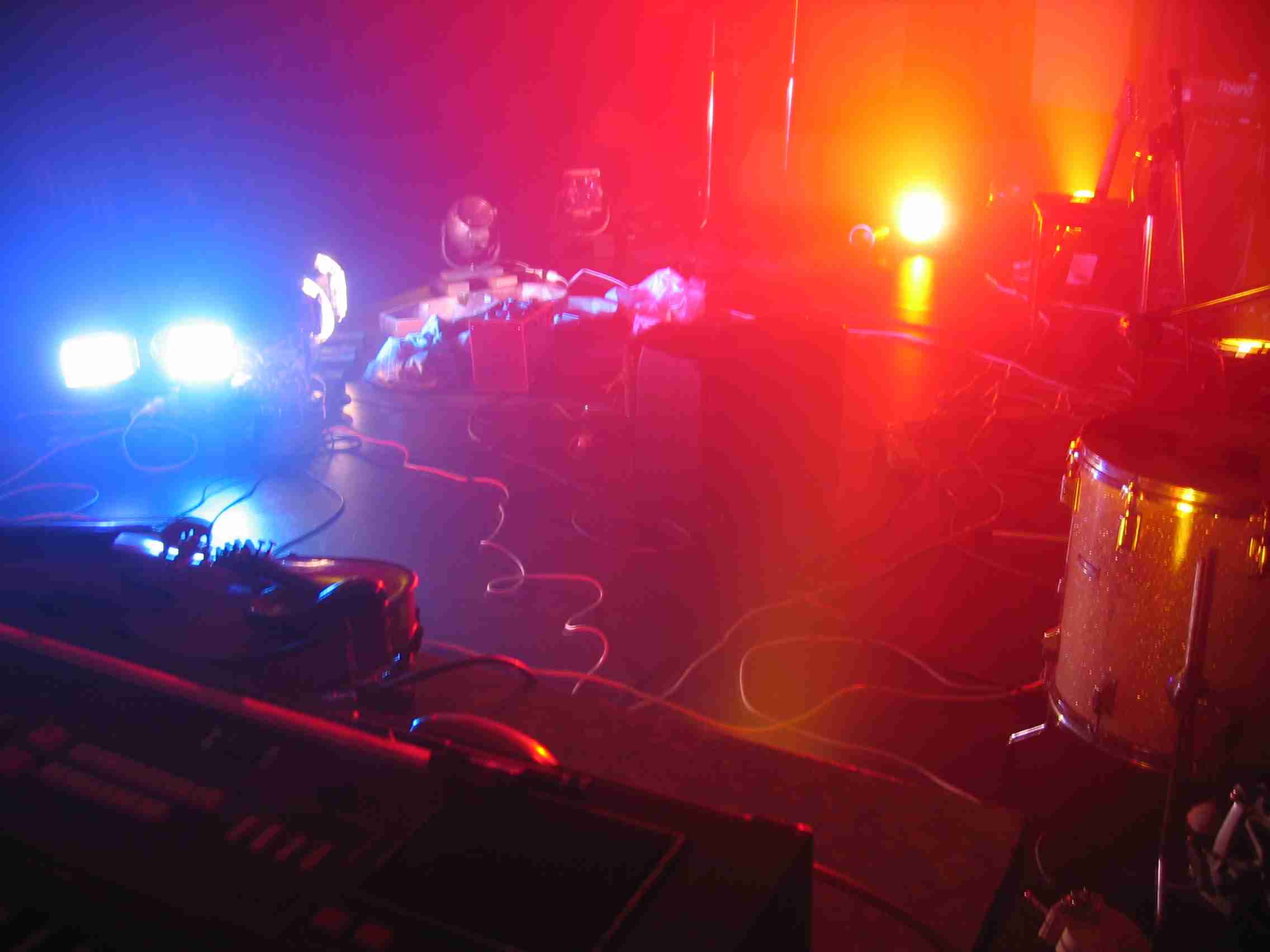
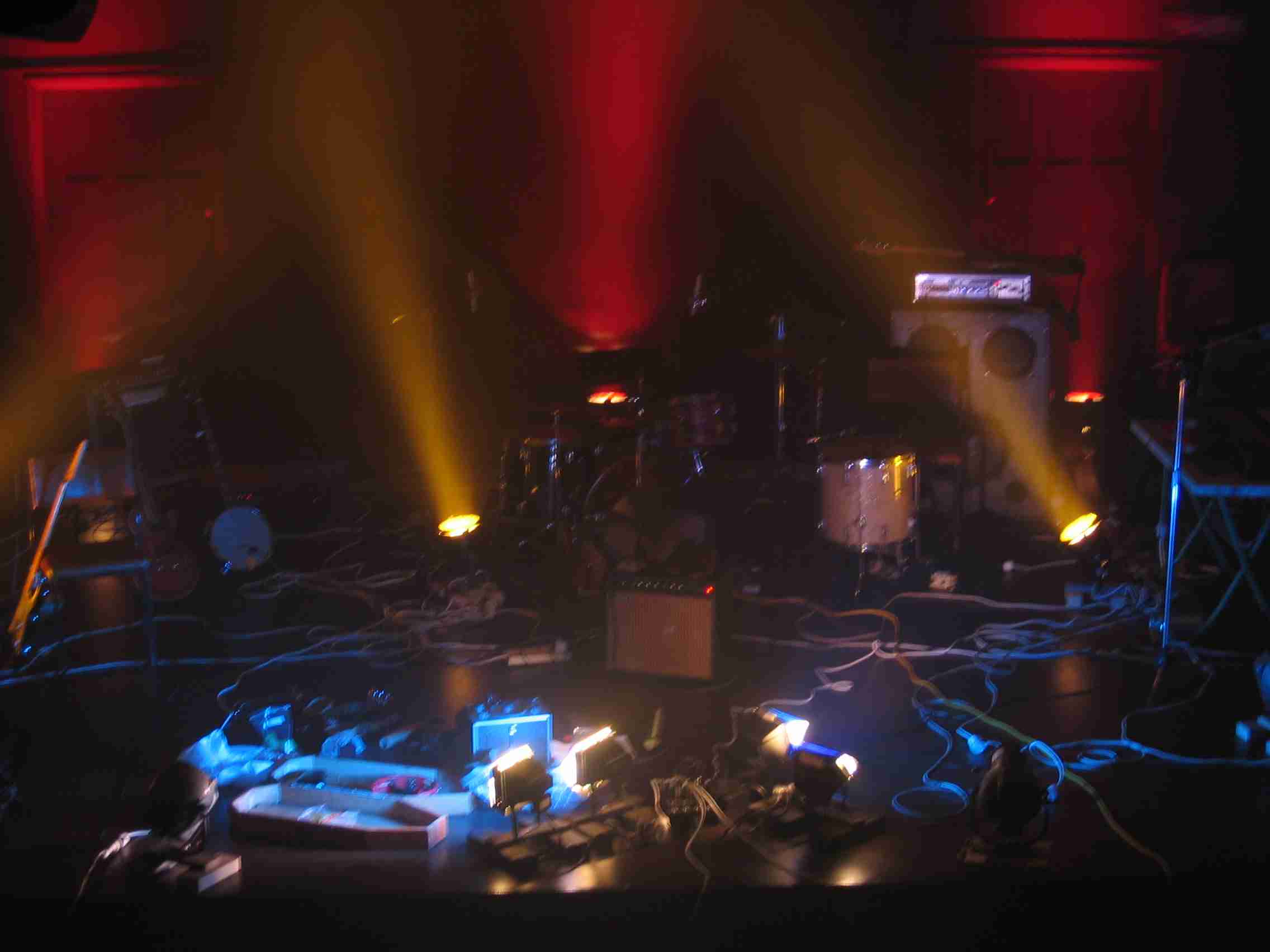
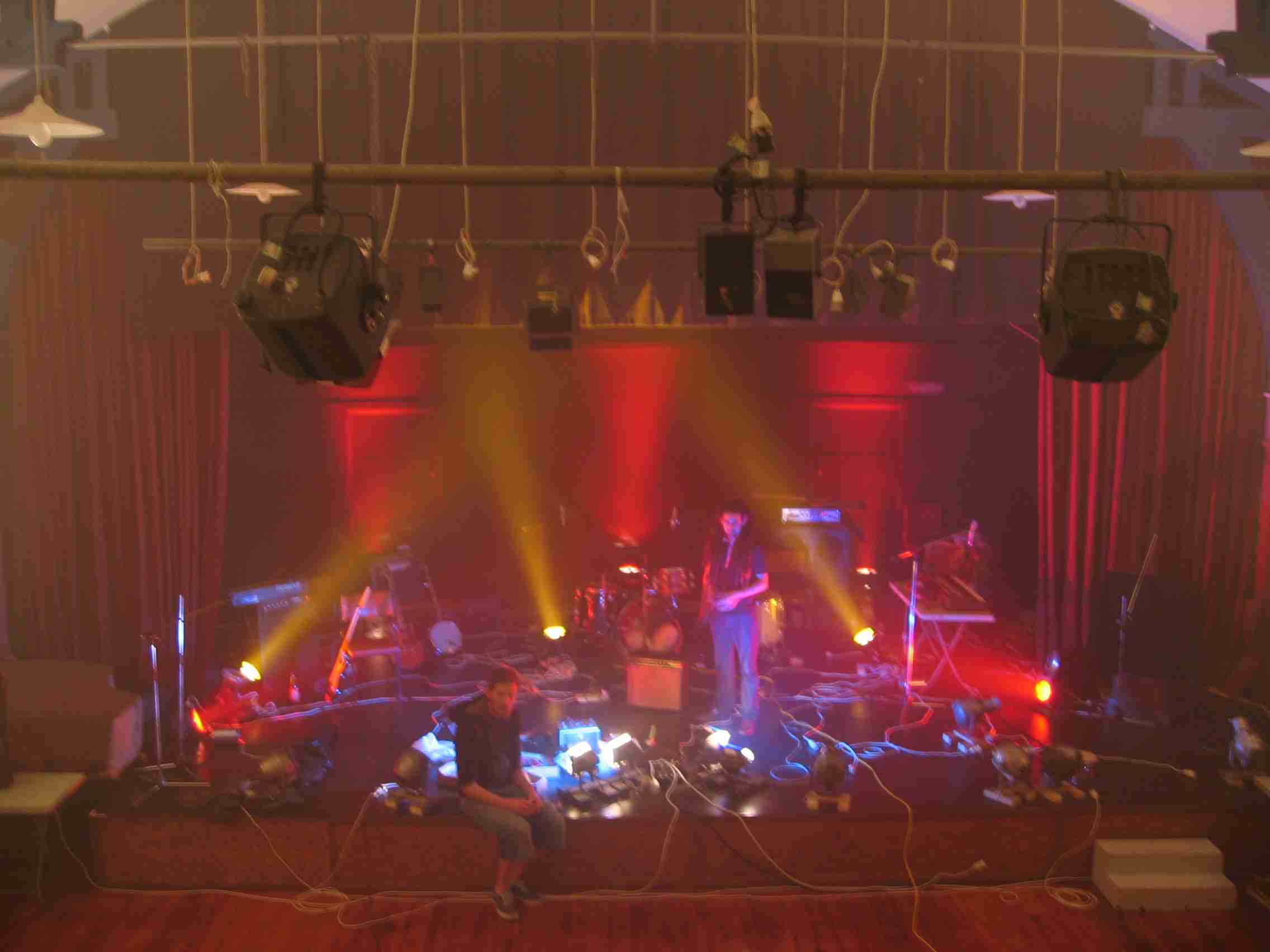
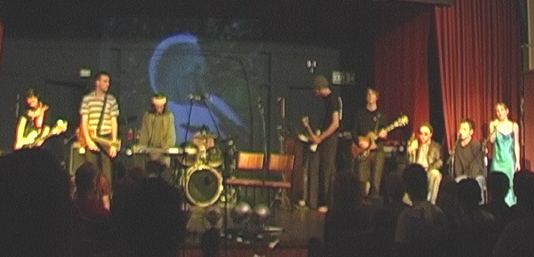
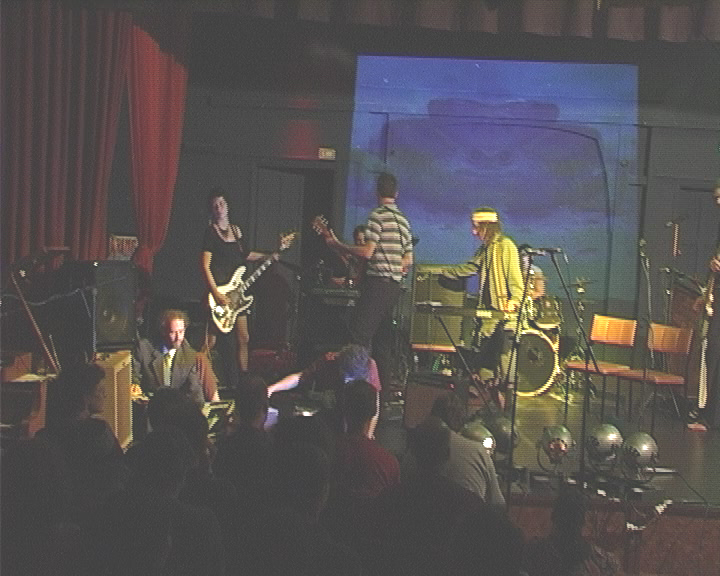
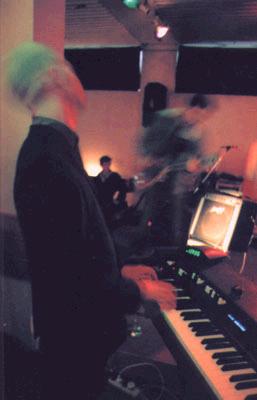
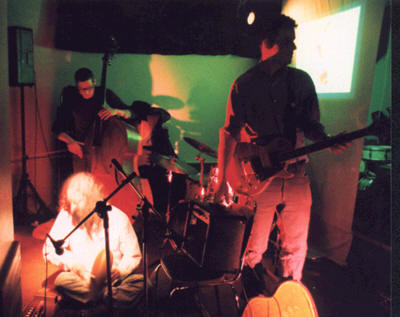

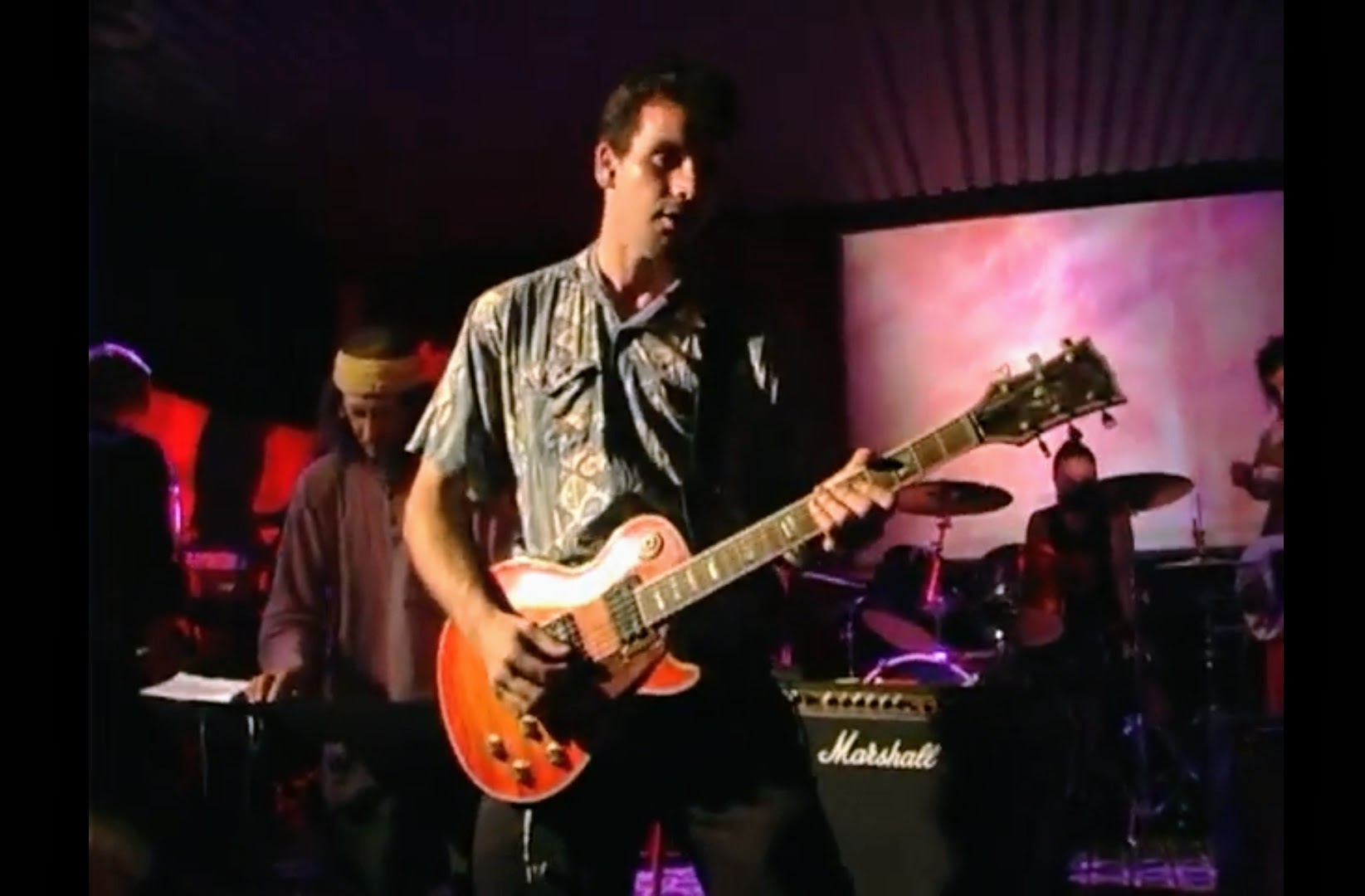
2005
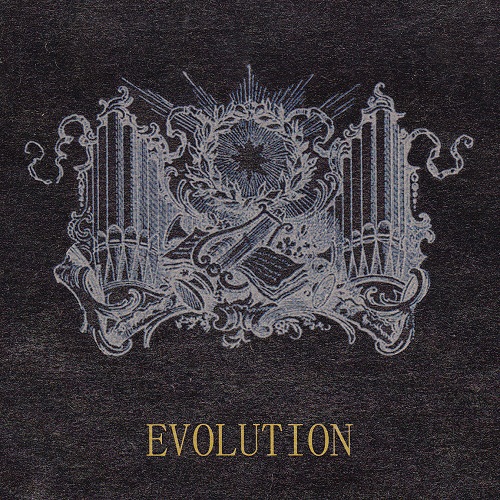
Best known for their award-winning 2005 electric symphony: Evolution – available free/pay-what-you-want from Bandcamp:
| Nigel Patterson – hammond organ, grand piano, conductor Dave Edwards – electric guitar & electronics Will Rattray – electric guitar Bell Campanita – bass Warwick Donald – bass Malia Stewart – keyboards Damian ‘Frey’ Stewart – laptop Ryan Prebble – tone generator Felicity Perry – vocal Atushi Iseki – vocal Sam Jenks – trumpet Jason Secto – cornet Matt Baxter – drums Greta Welson – drums |
“The 50-minute piece of music, broken down into six movements, was performed live over a few nights for the Fringe Festival in 2005; the group taking out the Best Music Award.
“It was stunning.
“Discordant guitars were choked, drums clattered and crashed, voices mingled with percussion and keyboards – but this form of free-improvisation had a structure to it. It had movement, it had a plan. It was a great beast of a song that writhed and wriggled and often managed to run downhill, away from the players – in the best possible way.
“Here, the show has been recorded onto a CD for posterity – and it begs discovery. It’s an intense listen – but that’s to be expected from a group of players who took their name from one of John Coltrane’s toughest listening albums.”
Simon Sweetman
A shorter edit of ‘The Riff’ is the first track of the Fame & Oblivion: 2005-2012 compilation:
“Evolution” is a five-movement symphonic piece tracking the history of evolution, and combining a macro classical form with modern orchestration. It’s basically a symphony in the standard form – but instead of using violins and woodwinds etc, we use two electric guitars, two keyboards, two bass guitars, two vocalists, two trumpets, computer, tone generator, piano and drums.
“Evolution” draws its sonic palette from experimental, free-jazz, noise, industrial, punk and contemporary classical musics. It’s less free-improvised than our previous performances – it’s an attempt to compose a piece allowing for improvisation within a macro structure.
Nigel Patterson
“Often with modern improvised music the listener is almost totally reliant on the absolute properties of the music: E.g. the new weird and wonderful noises that you never knew that instrument could make. But by utilizing a programmatic approach we hope to create a piece of music that is both stimulating in an absolute context – I.e. sounds and textures – as well as realizable in a programmatic context, by telling the story of evolution. our main objective: A realizable statement of modern music.” –
A recording of the group’s final performance, Revolution – live in Paekākāriki (with Francesca Mountfort on cello), has also recently been discovered. It will be released at some point…
2004
An earlier lineup of the group (with only 10 players!) performed at the Meatwaters Festival:
You can hear the seeds of ‘Evolution‘ develop in this looser performance. The recording is available free/pay-what-you-want from bandcamp:
| Nigel Patterson – hammond organ & conductor Dave Edwards– electric guitar Mike Kingston – electric guitar Jesse Toews – bass Warwick Donald – feedback bass Antony Milton – violin Damian ‘Frey’ Stewart – laptop Myles Climo – drums Simon O’Rorke – percussion Jason Secto – cornet |
A shorter edit of ‘the Riff’ 2004 appears on the Gleefully Unknown: 1997-2005 compilation:
2003
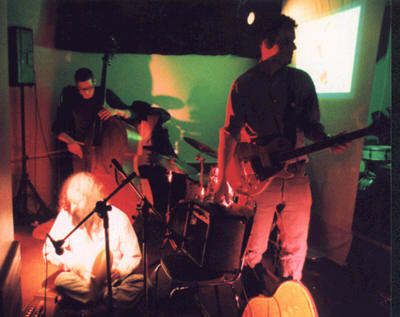
Ascension Band first convened for the Meatwaters Festival at Happy in Wellington, conducted by Jonny Marks, and featuring Australian double bassist Clayton Thomas. We performed a cover version of John Coltrane’s Ascension, which gave the band its name. The recording is currently missing, but may turn up someday…
You can copy, distribute, advertise and play these albums as long as you:
- Give credit to the artist
- Distribute all derivative works under the same license

